





Today, we started the day with sharing our observations, analyses and interpretations of the built environment of Longyearbyen.
Visiting Store Norske
12 July 2013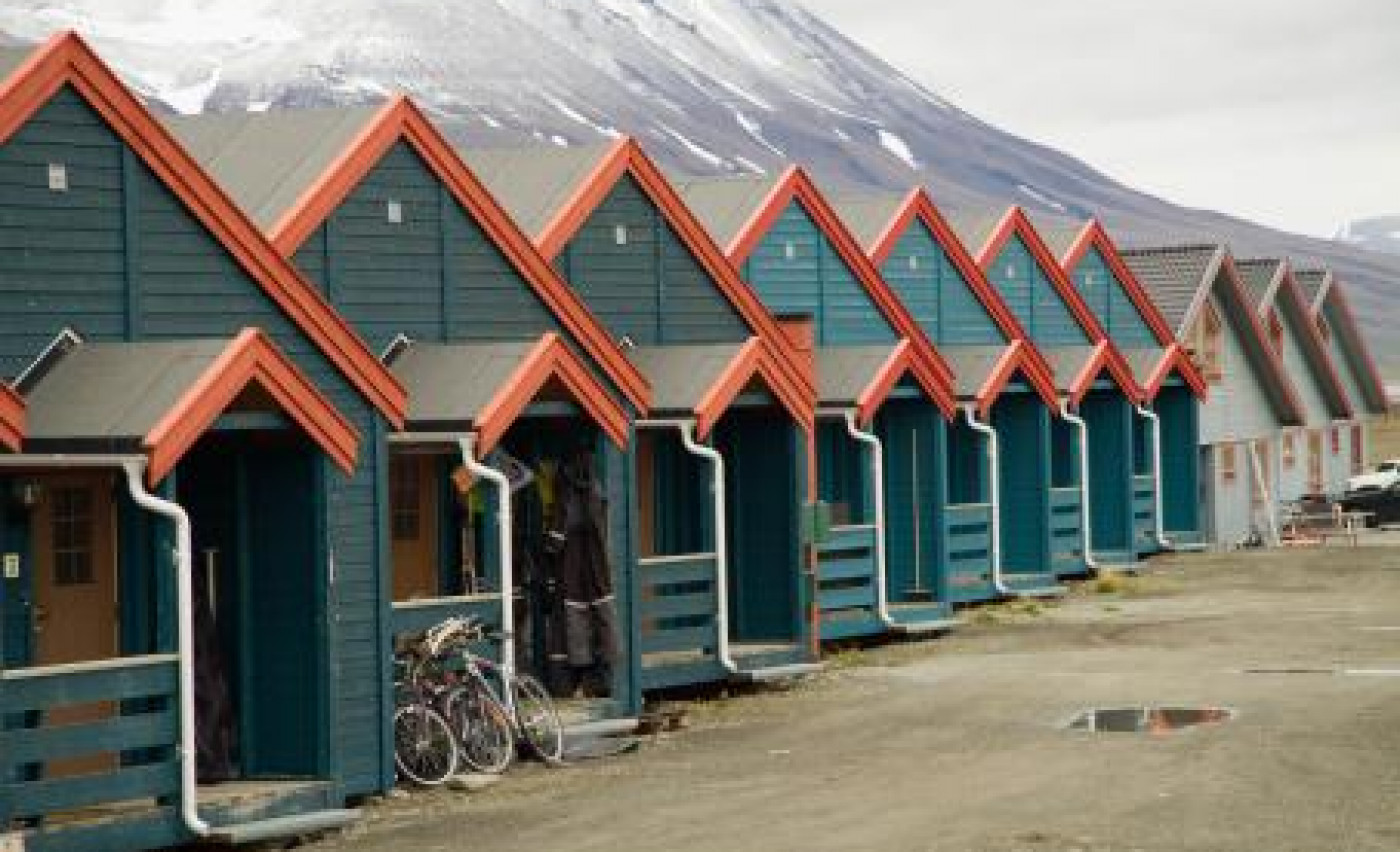
Today, we started the day with sharing our observations, analyses and interpretations of the built environment of Longyearbyen.
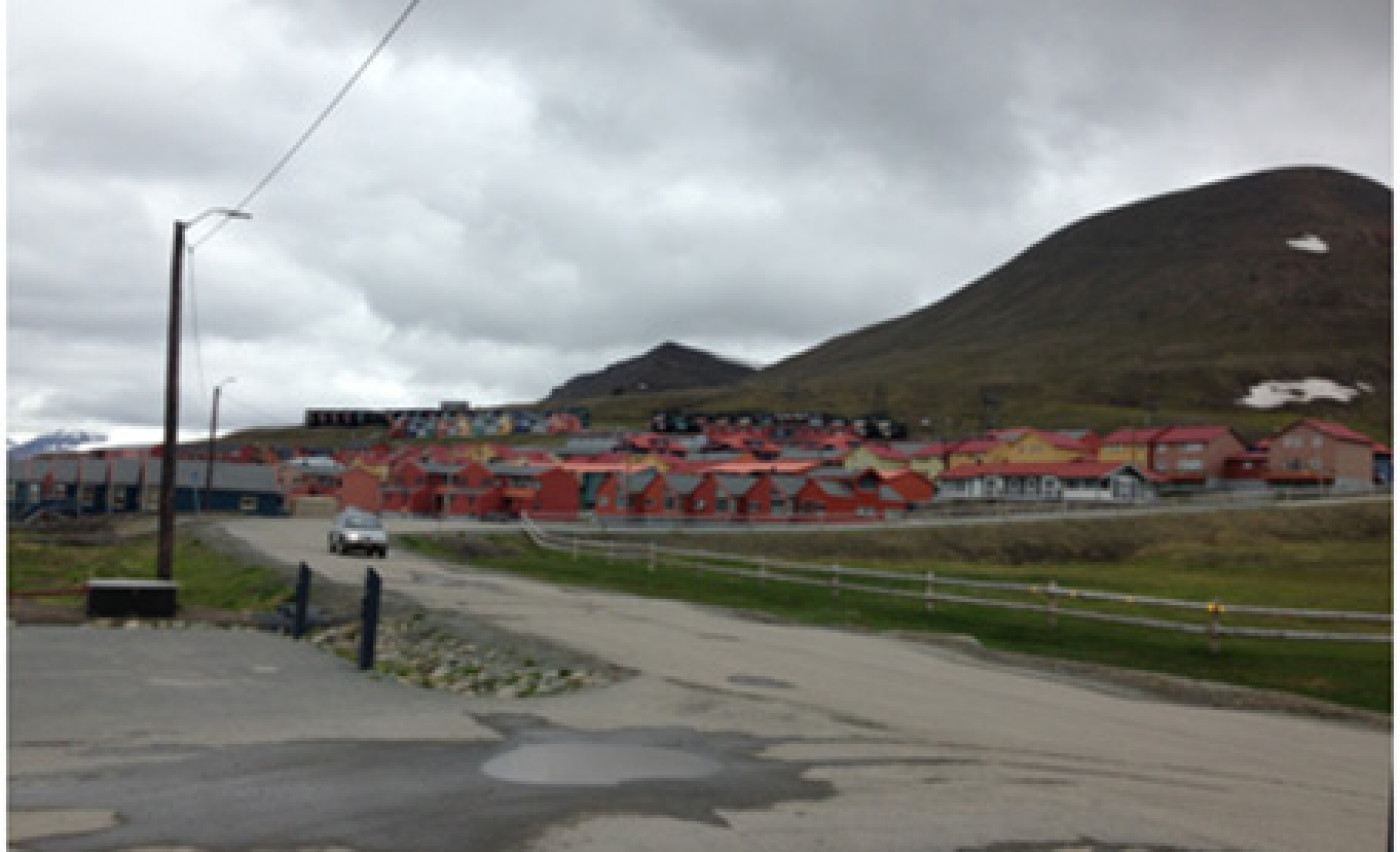
After one of the most terrifying boat rides of our lives, hot showers, and a good night of rest, we finally awoke in the comfort of Spitsbergen’s guesthouse. As we reluctantly left our warm, rock-less beds, we gathered with our groups to explore the town.
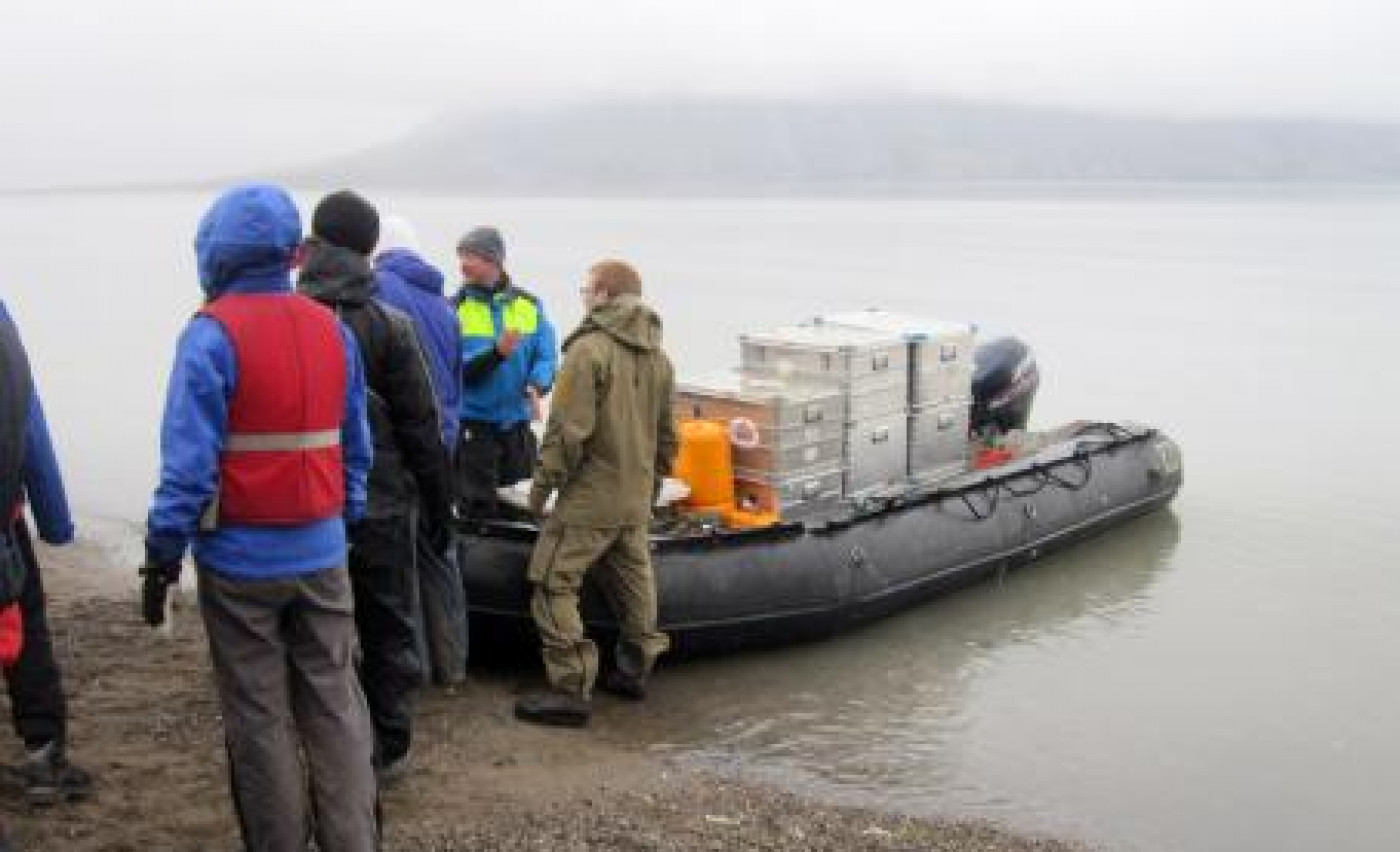
We woke up 06:30 after our last night in the tent. The weather was as it had been most of the time in the camp, cloudy and rainy, though unusually enough it wasn’t particularly windy in Petunia Bay.
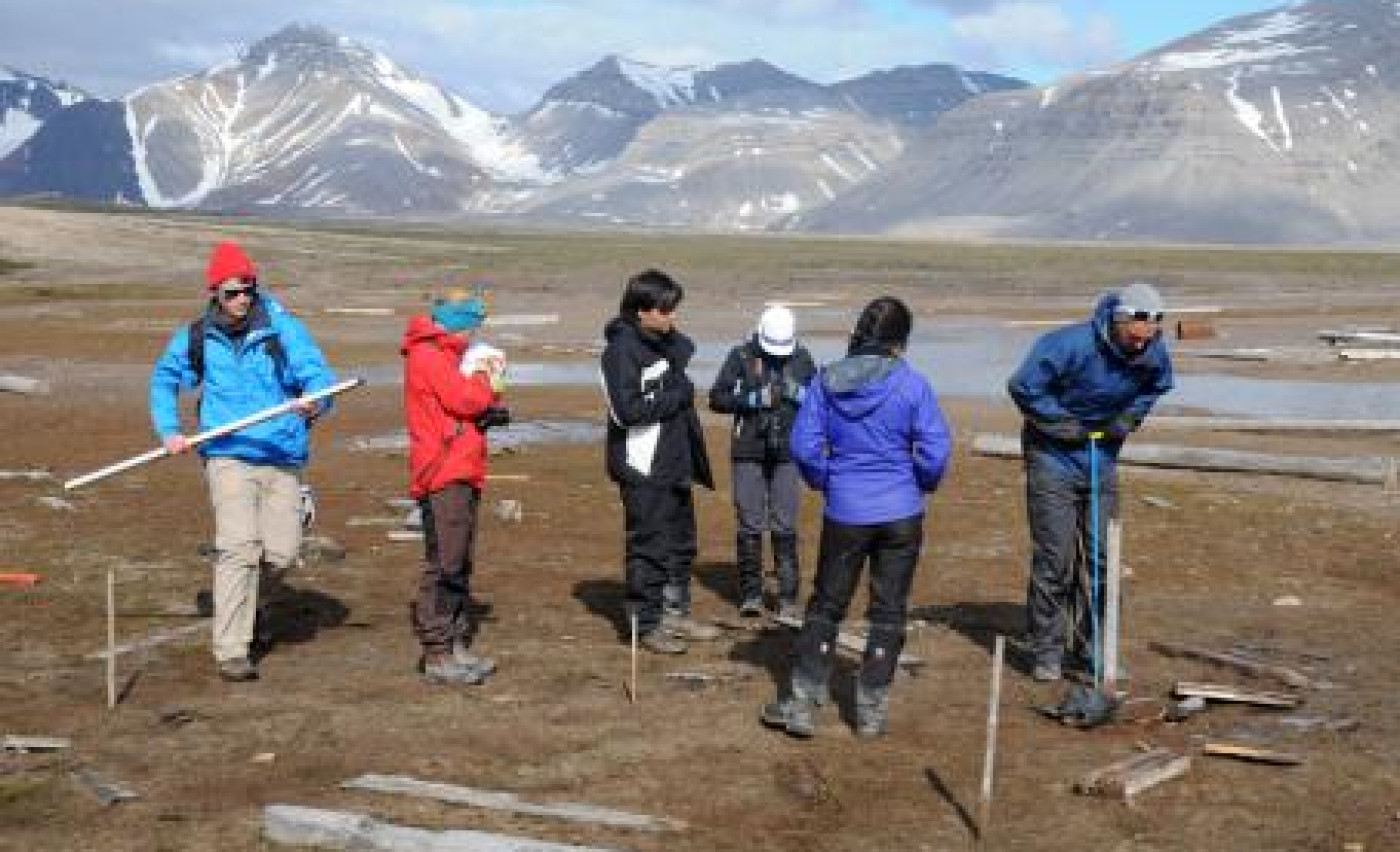
Today was the first time in three days it didn't rain. We were glad to see the sun and take off all our heavy jackets.
Today we visited two worlds: the Arctic we have become so familiar with and Pyramiden, the diorama of Soviet life we only just encountered yesterday.
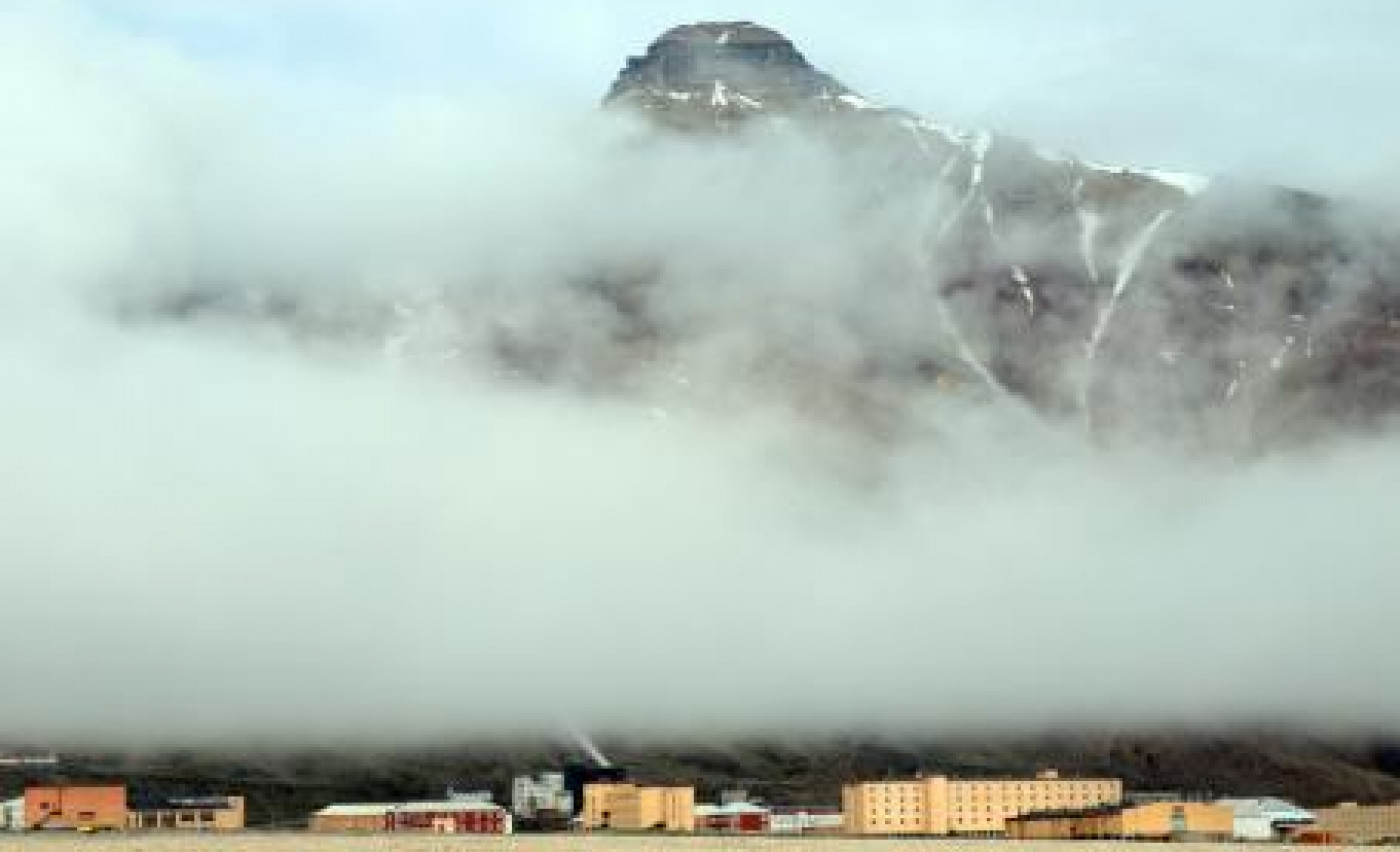
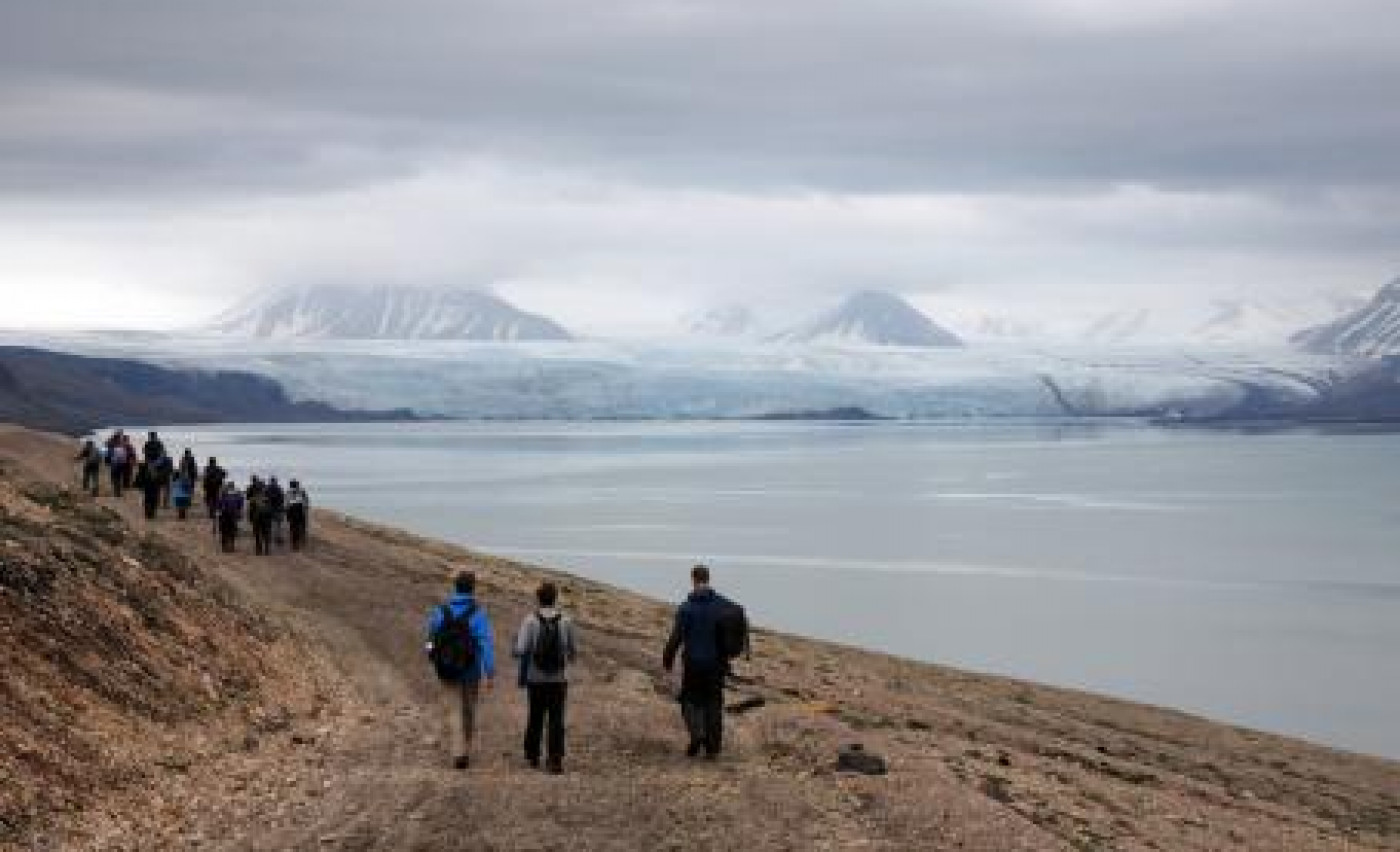
After a nice sunny night, we woke up to another rain filled morning. Today our plan was to hike to Pyramiden, an old Russian mining settlement, named after the central mountains pyramid shape.
Today is officially the halfway point of our trip and we were greeted by the rolling mist waking up. It blanketed the landscape and shrouded the mountains and glaciers that we had grown accustomed to admiring, it was accompanied by a fine drizzle.
Day three of the tent camp, the weather was perfect for a long hike – no wind, no burning sun, no rain. We headed north east from our camp towards a glacier called Svenbreen.
Day two began bright and early with a 6:30 AM wakeup from our camp guide Oskar. After a filling breakfast of bread, cheese, dried ham, and a surprisingly tasty fruit soup, we packed our sandwich bags and headed North further into Petunia Bay.
We started the day at 7 am in the morning. The weather in Longyearbyen was cold, windy and foggy. We had our breakfast in the guest house and each of us prepared a lunch bag. Surprisingly we found a reindeer outside the reception having his breakfast as well.
Nu är vi inne på vår 17:e dag på Lena. Inte så lång tid kvar nu och det gäller att orka avsluta de sista provtagningarna.
Cirka 40 km upp i Viljuj har vi lagt till vid en rostig pråm. Pråmen, som är fylld med material, är en kombination av bränsledepå och plattform för utmärkning av segelleden i floden och reparation av trasiga sjömärken. Samtidigt fungerar den som hem för kapten Vladimirs familj som inkluderar fru, två barn, två farbröder, en katt samt en schäfer som just fått valpar.
Vi har varit ute i två veckor och befinner oss på en av de största bifloderna till Lena, Viljuj. Den är mindre än Lena, men är ändå en viktigt transportled mellan de stora gruvområdena i västra Jakutien och Jakutsk och vi möter många transportfartyg och pråmar.
Dag tio ute på den mäktiga Lenafloden och vi befinner oss 70 km söder om det lilla samhället Zjigansk. Det har blåst upp en kraftig vind från nordost på cirka 15–20 m/s och på floden, som är ca 12 km bred, går det kraftiga vågor.
Det är varmt ombord på vårt lilla fartyg, Merelotoved. Sommarvärmen driver upp temperaturen närmare 30 ºC.
Vi befinner oss långt ovanför polcirkeln och solen står högt dygnet runt. I dag har det varit alldeles kav lugnt på floden, som på vissa ställen är över 10 km bred, med lufttemperaturer upp mot 33 grader.
Vi är åter i Jakutsk nästen ett år efter första delen av vår expedition längs Lenafloden och dess tillflöden. I år ska vi åka norrut från Jakutsk och försöka komma så nära mynningen i Arktiska oceanen vi bara kan. Längs vägen åker vi upp i mindre biflöden med en liten motorbåt och provtar vatten.
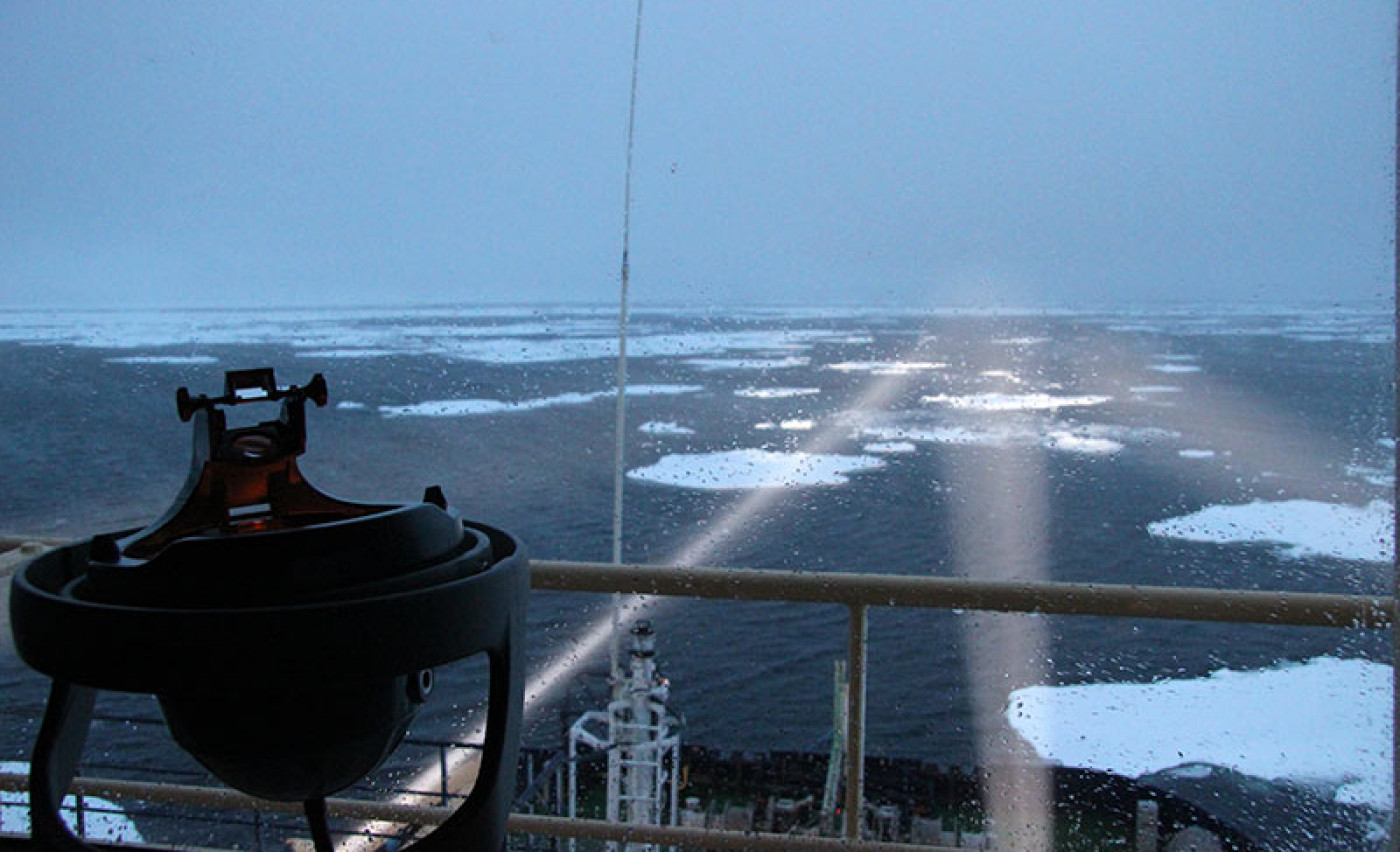
Saturday turned out to be a beautiful, sunny Arctic September day! We had enough time for a short ice station and stopped at an ice floe for a couple of hours. In the evening we returned to the ice floe to retrieve the buoy. When the equipment was safe on board again we could start the journey back to Longyearbyen.
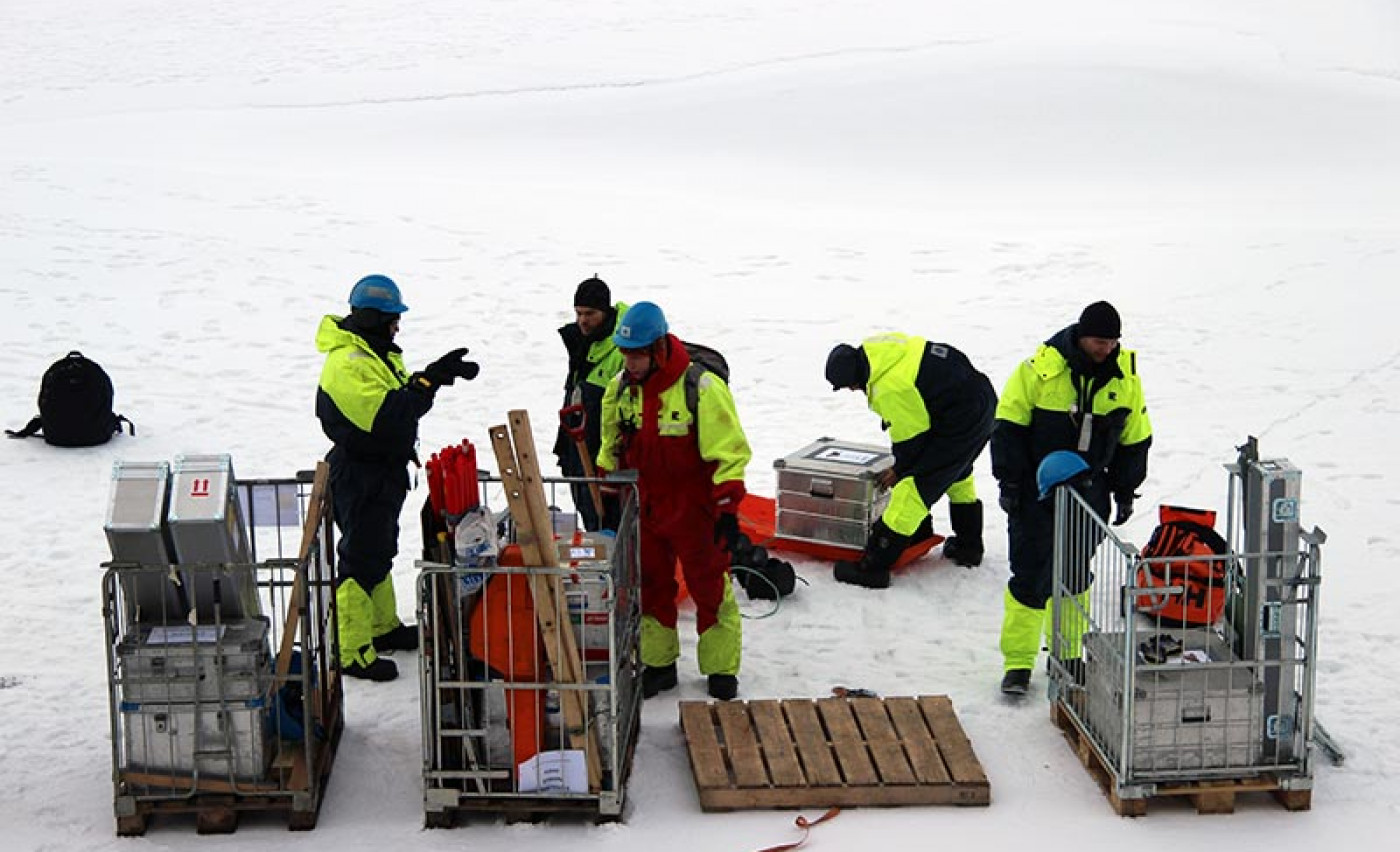
There was a lot of activity on the sea ice yesterday. A big part of the scientific scope of this expedition is to study the physical and mechanical properties of sea ice and icebergs. The different research teams were busy studying ice ridges, measuring ice friction and turbulence, performing borehole jack tests and so on.
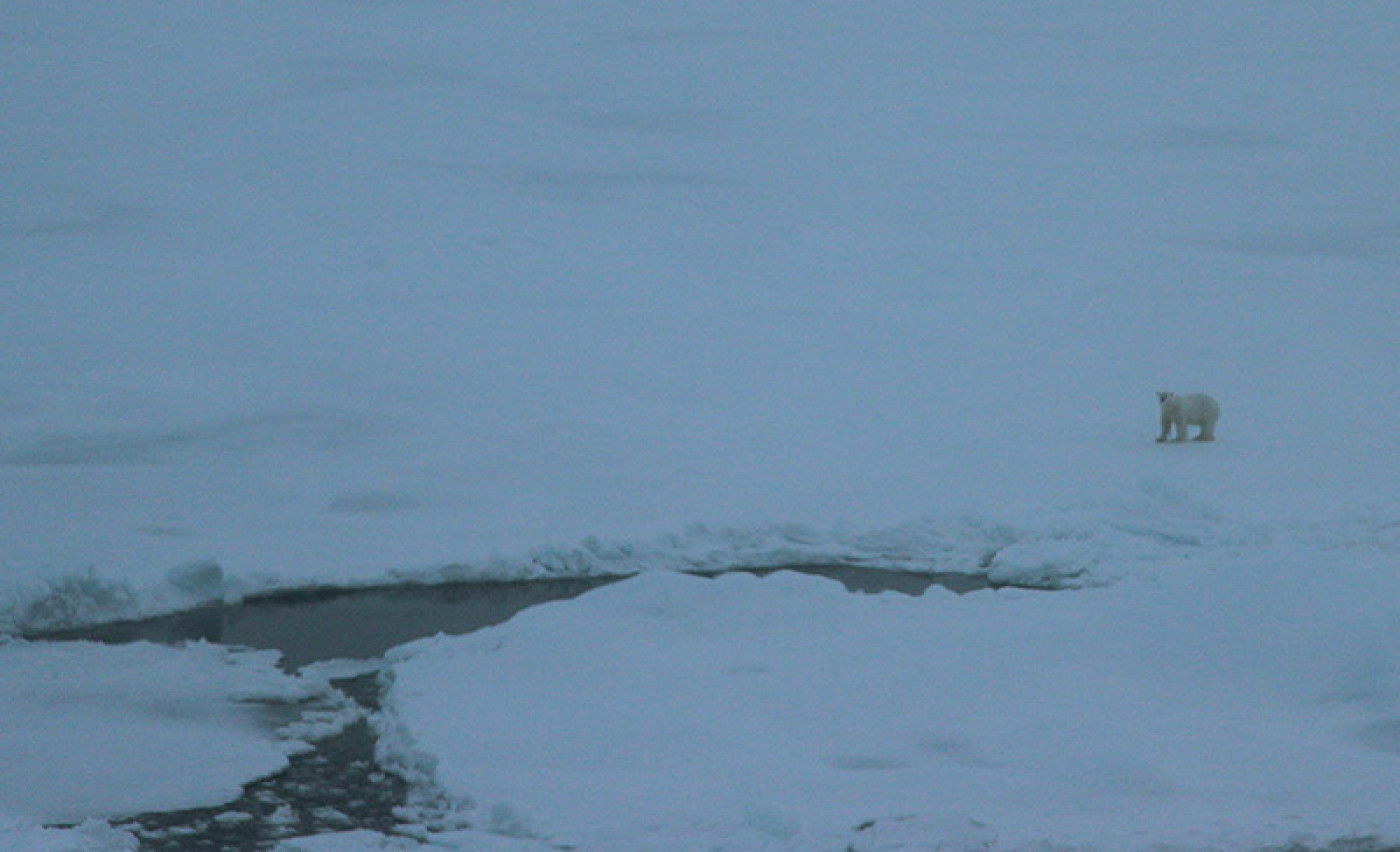
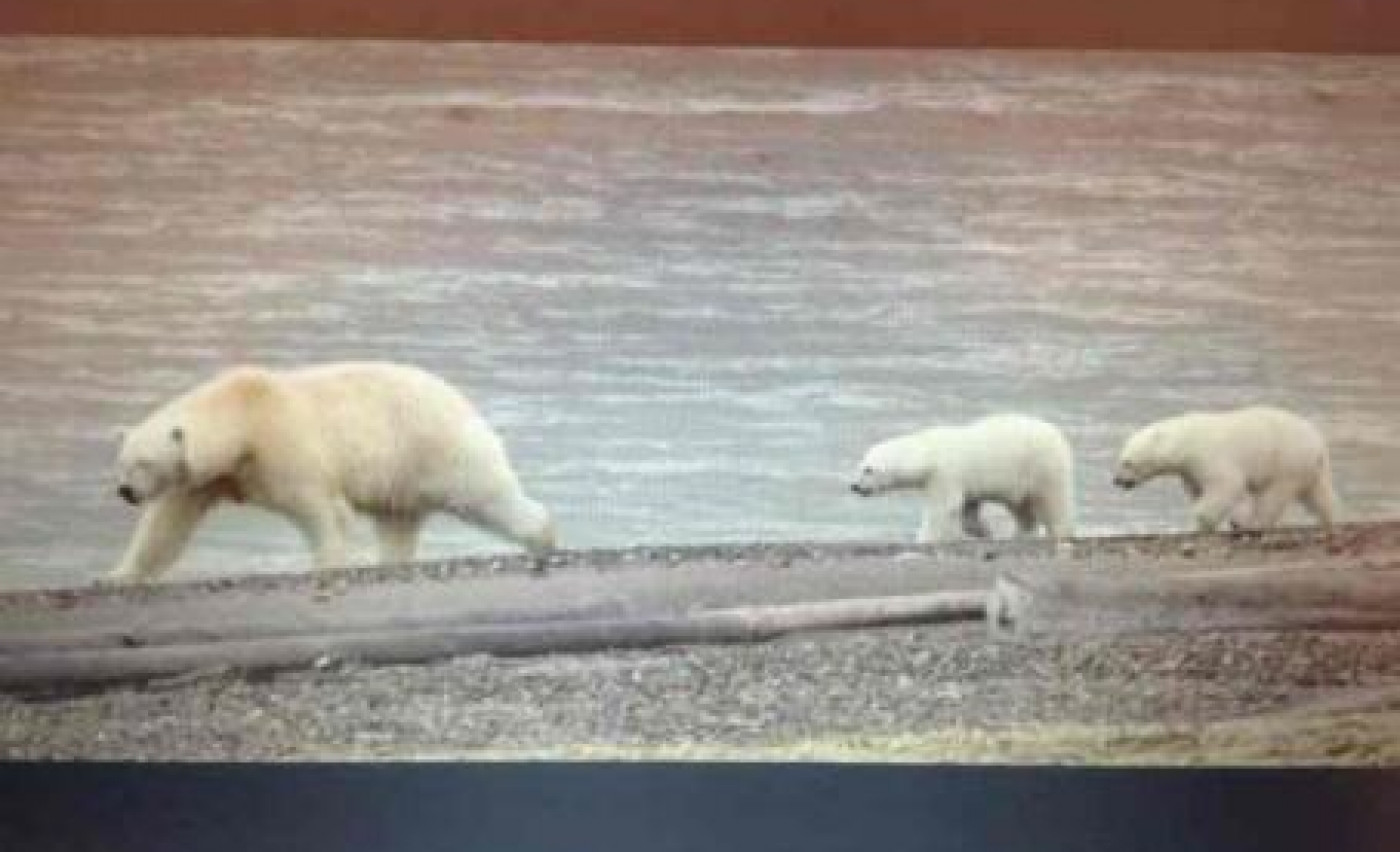
Oh, and we had a visitor this morning. We have basically been still during the night and early in the morning a passing polar bear decided it wanted to check out the icebreaker. It was hanging out nearby for a while, waiting for something interesting to happen, but left as soon as we started moving again after breakfast.